


How to Balance Style and Sustainability in Australian Home Design
Embracing Sustainable Materials
Choosing Recycled Options
Living in Brisbane provides abundant opportunities to draw inspiration from the Queensland Art Gallery when selecting materials for your home. One sustainable choice is the use of recycled options such as reclaimed wood or recycled metal, which not only add a unique aesthetic but also reduce environmental impact. Products like a 200cm tv unit made from recycled materials can offer both functionality and style. By choosing recycled materials, you support a circular economy while curating a home environment that reflects individuality and commitment to sustainability.
Using Natural Textiles
Natural textiles are another great option for sustainable living. Materials like organic cotton, bamboo, or hemp are eco-friendly and promote healthy living spaces by minimizing chemical exposure. Incorporating Australian-made wool throws or linen curtains adds a touch of elegance and caters to sustainable living. Meanwhile, everyday items like a reusable egg container can further embody your commitment to an eco-aware lifestyle. By championing natural textiles, your home radiates warmth and an eco-friendly charm.
Selecting Durable Woods
Selecting durable woods such as Australian hardwood ensures longevity and sustainability. These woods reduce the need for frequent replacements, preserving natural resources. A good example of this approach is investing in furniture pieces that withstand everyday use, much like a camping barbecue grill crafted with robust, sustainable materials. These choices ensure your home not only looks stunning but also aligns with a sustainable lifestyle ethos.
Energy-Efficient Design Features
Incorporating Solar Panels
Harnessing the sun's power through solar panels is a great starting point for anyone championing energy efficiency. Living in Australia, with its abundant sunshine, provides a perfect backdrop for making the most out of solar energy. For those like me, who are inspired by the Queensland Art Gallery's innovative approach to sustainability, solar panels are more than just a practical solution; they're an eco-conscious statement. Installing these panels reduces reliance on non-renewable resources, significantly cutting down on energy bills over time.
Opting for LED Lighting
Switching to LED lighting is another simple yet impactful decision. LEDs are not only long-lasting but are also incredibly energy-efficient, using approximately 75% less energy than incandescent bulbs. I find them ideal for any room, including spaces that see heavy use, such as kitchens. Whether you are preparing meals on wood cutting boards or washing dishes in a miele dishwasher f11, proper illumination can make a world of difference, enhancing both functionality and ambiance.
Utilizing Smart Thermostats
Investing in a smart thermostat can transform how you manage your home’s temperature, creating both economic and environmental benefits. These devices allow you to control heating and cooling remotely, ensuring that energy is used only when needed. Coupled with eco-friendly appliances like a ferrex pressure washer for external cleaning, a smart thermostat embodies the fusion of intelligence and sustainability, making green living more attainable and intuitive.
Eco-Friendly Decor Choices
Picking Minimalist Furniture
As a Brisbane-based enthusiast for sustainable living, I find minimalist furniture an essential choice for eco-conscious design. Embracing the concept of minimalism means focusing on quality over quantity, which helps reduce unnecessary clutter and promotes a more sustainable lifestyle. When selecting minimalist pieces, consider those made from sustainable materials like bamboo or reclaimed wood. Not only do they provide a touch of elegance, but they also align with green living strategies. Inspiration often strikes me as I stroll through the Queensland Art Gallery, where simplicity meets sophistication.
Incorporating Green Plants
Incorporating green plants into your decor is a brilliant way to enhance your home's aesthetic while promoting eco-friendliness. Plants not only purify the air but also bring a sense of tranquillity and vitality. Opt for native Australian species that are easier to maintain and better for the local ecosystem. Integrating plants like ferns or eucalyptus can enhance your space's ambiance while connecting you with nature.
Upcycling Vintage Pieces
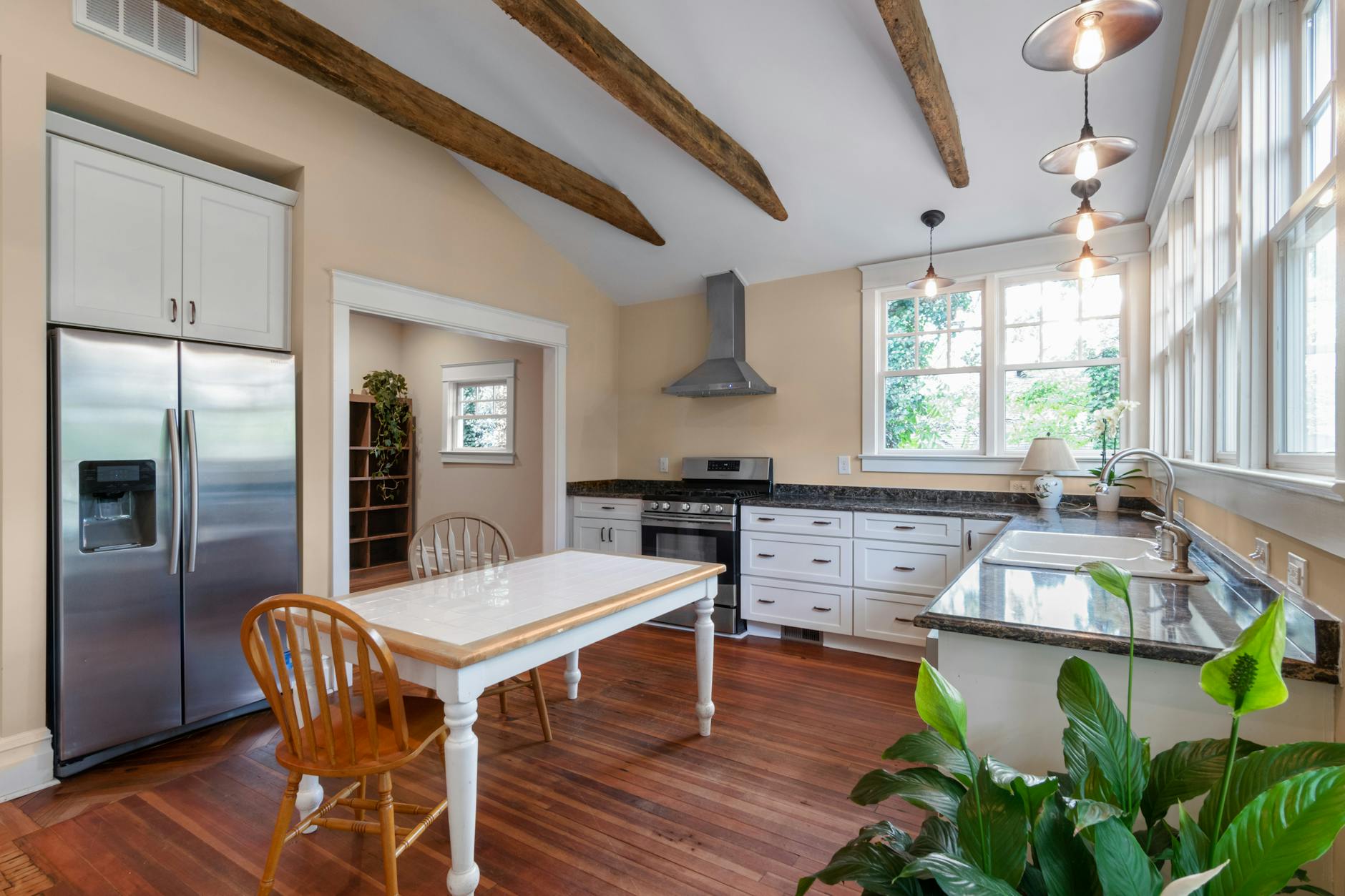
Visiting The Collective Markets at South Bank provides a treasure trove of unique finds that are perfect for creating an eco-friendly home. Upcycling vintage pieces infuses character into your space and extends the life of these items, keeping them out of landfills. A coca cola drinks fridge or dining table transformed with a fresh coat of low-VOC paint can become a conversation starter that embodies sustainability. For a more contemporary touch, an LG side by side fridge and freezer can provide efficiency without sacrificing style.
By incorporating these eco-friendly decor choices, you're not just enhancing your living space but taking meaningful steps toward a sustainable lifestyle.
Balancing Aesthetics and Functionality
Creating Open Living Spaces
Crafting an open living space aligns with a sustainable lifestyle while enhancing your home's versatility. It's about breaking down barriers, both literally and metaphorically, to promote free movement and interaction in your home. Open spaces improve natural light flow, reducing the need for artificial lighting, which can cut down on energy use. Combining style and function, aim for furniture designs that are both sleek and practical, all crafted with eco-friendly materials.
Integrating Indoor-Outdoor Flow
Bringing the outside in can transform the feel of your home, supporting a seamless connection to the environment. This approach connects indoor living with a terrace or garden, creating a harmonious blend of interior and exterior spaces. Consider using glass sliding doors or large windows to maintain visual contact with nature. Not only does this enhance the aesthetic appeal, but it also improves ventilation, aiding in temperature regulation and promoting energy efficiency.
Achieving Neutral Color Schemes
A neutral color palette forms a serene and cohesive backdrop in every room and is highly adaptable to other design elements. Opt for eco-friendly paints with low volatile organic compounds (VOCs) to protect your health and the environment. Incorporate varied textures and tones within your palette to add visual interest and warmth without sacrificing harmony. Neutral tones can complement modern appliances like a white microwave, marrying function with style.
From practical layouts to mindful color selections, each choice reflects a commitment to sustainable living that resonates well with the principles of baking cookware.
Avoiding Common Home Design Mistakes
Deciphering Product Labels Effectively
It’s easy to get swept up in the allure of chic, eco-friendly decor, but it's crucial to read product labels. As a Brisbane-based sustainable living enthusiast, I’ve learned that the devil is often in the details. Aim for items carrying credible certifications like the Australian Forestry Standard, which assure that the product is both stylish and sustainable. Labels can reveal the presence of harmful chemicals or unethical production practices that undermine green living strategies. Getting informed about these little details can offer the peace of mind we all crave when personalising our homes.
Tapping into Local Treasures
One mistake I've seen many young, creative professionals make is underestimating the wealth of sustainable resources available locally. Queensland, for instance, offers a treasure trove of inspiration. Take cues from the Queensland Art Gallery for its infusion of natural beauty and eco-friendly materials. The Collective Markets at South Bank are also worth exploring for unique finds that reduce carbon footprint while jazzing up your interiors. Incorporating local craftsmanship not only supports community artisans but also offers a sustainable twist to your abode.
Valuing Quality Over Trends
Trendy doesn't always mean sustainable. Investing in quality, long-lasting home items is a smart way to avoid contributing to landfill. A piece might look modern now, but will it hold up over time? Opt for versatile items that offer durability and style. Look for cheap building materials that blend into the visual aesthetics and functional needs of your space. It's in maintaining this balance that one finds true empowerment in home transformation stories.